

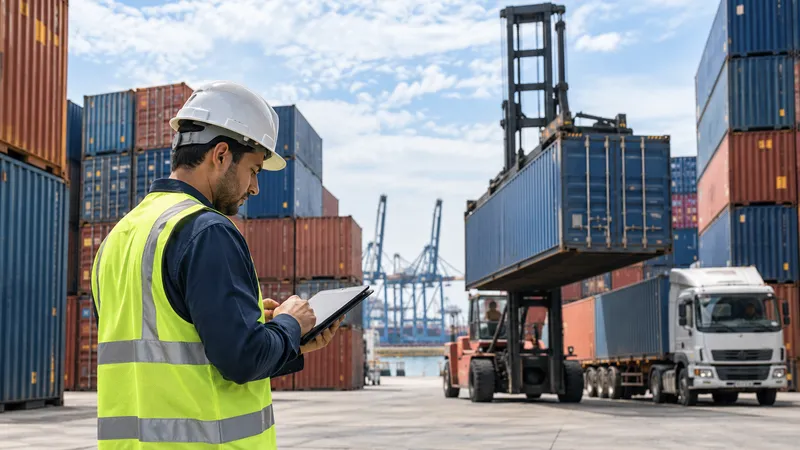
Moving a shipping container from the Port of Melbourne to a warehouse, distribution centre, factory or customer site may sound straightforward. In practice, there are several moving parts that need to line up correctly.
Container availability, terminal collection windows, transport scheduling, site access, unloading arrangements, storage requirements and empty-container returns can all affect how smoothly the job runs.
For Melbourne importers and freight businesses, working with an experienced container transport provider can help simplify this process and reduce unnecessary delays.
Melbourne’s Container Freight Network Is Getting Busier
The Port of Melbourne remains a critical gateway for Victorian and Australian trade. In the 2025–26 financial year, the port handled a record 3.52 million TEU, marking its second consecutive year of record container throughput.
For businesses moving containers through Melbourne, increasing freight volumes make transport planning even more important.
A delay at one stage of the container journey can affect warehouse schedules, customer deliveries, container return deadlines and overall logistics costs.
That is why container transport is about much more than simply putting a container on a truck.
What Happens After Your Container Arrives at the Port of Melbourne?
Once a vessel arrives and the container is discharged, several steps may need to occur before delivery.
The container first needs to become available for collection. Relevant customs, shipping and biosecurity requirements must also be satisfied where applicable.
Once the container is ready, transport can be scheduled from the terminal to its next destination.
That destination may be your warehouse, distribution centre, construction site, manufacturing facility or another logistics facility.
For some consignments, the container may instead need to travel to a storage, inspection or treatment facility before reaching the final delivery point.
Wharf Cartage and Container Transport
Wharf cartage refers to moving containers between a port terminal and another location.
In Melbourne, container transport operators regularly move 20-foot and 40-foot containers between port terminals, warehouses, container yards, industrial facilities and customer premises.
A well-managed wharf cartage operation considers collection timing, terminal requirements, truck availability, delivery windows and the return of the empty container.
For importers dealing with multiple containers, coordinating these movements efficiently can have a significant impact on the overall supply chain.
Why Delivery Planning Matters
One of the most important questions when organising container transport is simple:
Is the receiving site ready for the container?
Before scheduling delivery, businesses should consider site access, operating hours, unloading equipment, available staff and whether the container needs to remain on-site.
A truck arriving at a site that cannot receive the container can create delays for everyone involved.
Providing accurate information to your transport provider before delivery allows the most suitable transport arrangement to be planned.
When Container Storage Can Help
Not every container needs to move directly from the wharf to the final destination.
Temporary container storage can be useful when your warehouse is full, the receiving site is not ready, stock is awaiting another process or several containers arrive at approximately the same time.
It can also provide additional flexibility when port collection deadlines do not match your preferred delivery schedule.
Instead of allowing the entire logistics process to depend on one delivery window, containers can potentially be collected and staged before onward delivery.
For businesses managing regular imports, this can create a more controlled flow of containers into their facilities.
What About Empty Container Returns?
The logistics process does not necessarily finish after a container has been unpacked.
Shipping line containers normally need to be returned to the nominated empty container facility within the applicable free period.
This makes communication between the importer, warehouse and transport operator important.
Once unloading has been completed, letting the transport provider know promptly can help the return movement be organised before avoidable delays occur.
Choosing a Container Transport Company in Melbourne
Price is important, but it should not be the only consideration.
Container logistics is time-sensitive. Businesses should look for a transport provider that understands Melbourne’s wharf and container network and communicates clearly throughout the job.
A good provider should be able to work with your delivery requirements, identify potential logistical issues early and help coordinate the movement from collection through to empty-container return.
The objective is simple: keep the container moving while reducing unnecessary handling, waiting and disruption.
Container Transport for Importers, Exporters and Freight Businesses
Rodex Transport provides container transport and supporting logistics services across Melbourne.
Whether you require a container collected from the wharf, delivered to your premises, temporarily stored or moved as part of a wider logistics arrangement, having one experienced transport team involved can make the process easier to manage.
We work with businesses that need practical, dependable container movements throughout Melbourne’s freight network.
Need Container Transport in Melbourne?
If you have an upcoming container arriving at the Port of Melbourne, speak with Rodex Transport about your transport requirements.
Provide us with your container details, delivery location and required timeframe, and our team can help plan the movement from port to destination.
Contact Rodex Transport today for dependable container transport in Melbourne.