

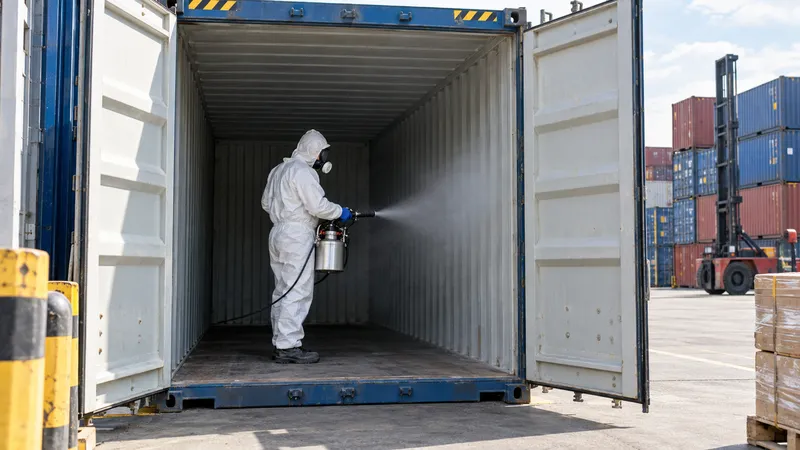
Australia has strict biosecurity controls designed to reduce the risk of exotic pests and diseases entering the country.
For importers bringing goods through the Port of Melbourne, this means some containers or cargo may require inspection, cleaning, treatment or fumigation before they can continue through the supply chain.
Understanding how this process affects container logistics can help businesses prepare for additional movements and reduce unnecessary delays.
Does Every Imported Container Need Fumigation?
No.
The treatment requirements depend on factors such as the goods being imported, their origin, packaging materials, contamination risks and the applicable Australian biosecurity conditions.
The Department of Agriculture, Fisheries and Forestry advises importers to check the Biosecurity Import Conditions system, known as BICON, to determine the requirements that apply to their goods.
A container should therefore not automatically be treated simply because it has arrived from overseas.
The applicable import conditions need to be considered.
Why Might a Container Require Treatment?
Biosecurity issues can arise from the cargo itself, packaging materials or contamination associated with the container.
Examples can include timber packaging, plant material, soil, insects or other biological material.
DAFF advises that contaminated containers and cargo detected entering Australia require treatment before release, with treatment costs generally borne by the importer.
This is one reason container cleanliness and correct documentation are important before goods are shipped to Australia.
Timber Packaging Is an Important Consideration
Many imported products are transported on wooden pallets or protected by timber crates, blocks or dunnage.
Timber can potentially carry pests that pose a risk to Australian agriculture and the environment.
Australia therefore applies biosecurity requirements to timber packaging associated with imported cargo.
Importers should ensure suppliers understand the relevant requirements before the goods are loaded overseas rather than discovering a problem after the container reaches Melbourne.
What Happens If Biosecurity Treatment Is Required?
The exact process depends on the direction applying to the consignment.
A container may need to be transported to an appropriate approved facility for inspection, cleaning, fumigation or another treatment.
This creates an additional stage in the logistics chain.
Instead of travelling directly from the wharf to the importer’s warehouse, the journey may look more like:
Port collection → approved facility → treatment or inspection → release → final delivery.
The important point is that the transport arrangements need to accommodate the biosecurity process.
Fumigation Is a Controlled Process
Fumigation used for Australian biosecurity purposes must follow applicable treatment requirements.
DAFF publishes methodologies covering recognised treatments and states that biosecurity treatments need to be conducted correctly to manage the risk of introducing exotic pests and diseases.
Importers should therefore rely on the applicable BICON requirements and appropriately authorised or approved treatment providers rather than treating fumigation as a general-purpose procedure.
Why Logistics Coordination Matters
A biosecurity direction can affect several parts of the container schedule.
The container may need to change destination, remain at a facility while treatment takes place and then be transported again after release.
Meanwhile, shipping-line container return deadlines may still need to be considered.
This is where experienced container transport coordination becomes particularly useful.
Your transport provider needs to understand where the container can legally move, when it can move and what needs to happen after treatment.
Container Storage May Also Be Required
Biosecurity processes do not always fit neatly into the importer’s original warehouse delivery schedule.
If release occurs later than expected, the receiving warehouse may no longer have space or staff available.
Temporary container storage can provide additional flexibility in these situations.
Instead of forcing an unsuitable delivery time, the container can potentially be staged until the receiving site is ready.
This can be particularly useful for businesses managing several containers simultaneously.
How Importers Can Prepare Before the Vessel Arrives
The best time to identify a potential biosecurity requirement is before the container reaches Melbourne.
Importers and their customs or freight representatives should check the relevant import conditions, ensure documentation is available and confirm whether treatment or inspection requirements are expected.
DAFF specifically recommends checking BICON before importing goods into Australia because complying with applicable requirements can reduce costly delays at the border.
Early information also allows container transport arrangements to be planned properly.
If the container needs to move to a treatment or approved facility first, the transport schedule can account for that from the beginning.
Think About the Entire Container Journey
A successful import movement does not end when the container is collected from the port.
The complete journey may involve terminal collection, transport, inspection, treatment, storage, warehouse delivery, unloading and empty-container return.
Businesses that plan these stages together are better positioned to respond when circumstances change.
Instead of arranging each movement after the previous one has already happened, the logistics chain can be considered as one coordinated operation.
Container Transport and Logistics Support in Melbourne
Rodex Transport provides container transport and logistics support for businesses moving freight through Melbourne.
Whether your container needs to travel from the Port of Melbourne to your premises, a storage location or another logistics facility, our team can help coordinate the required movements.
For containers affected by biosecurity or treatment requirements, early communication is particularly important.
Need Help Planning Your Container Movement?
If you have an upcoming import container and already know that additional storage, inspection or treatment-related movements may be required, contact Rodex Transport before the container becomes available.
Provide the shipment details, expected arrival and required destinations so the transport requirements can be planned in advance.
Contact Rodex Transport for professional container transport and logistics solutions across Melbourne.